
Amidst the continuous evolution of interior bathroom design, soaking tubs have gradually become a focal point of consumer interest. In particular, the debate comparing "acrylic soaking tubs" with traditional porcelain tubs has become a hot topic. Many consumers face the same dilemma during renovations: in an indoor residential setting, is an acrylic soaking tub the superior choice, or is a porcelain tub the more worthwhile investment?
Judging by current market trends, acrylic soaking tubs are gaining acceptance among an increasing number of households, thanks to their advantages such as lightweight construction, excellent heat retention, ease of maintenance, and diverse range of styles. Conversely, traditional porcelain tubs—relying on their inherent stability and classic aesthetic—continue to retain a dedicated consumer base.
While both materials possess their own distinct characteristics, when evaluated based on the overall home living experience, ease of installation, and long-term comfort, acrylic soaking bathtubs demonstrate a clearly superior suitability for modern interior environments.
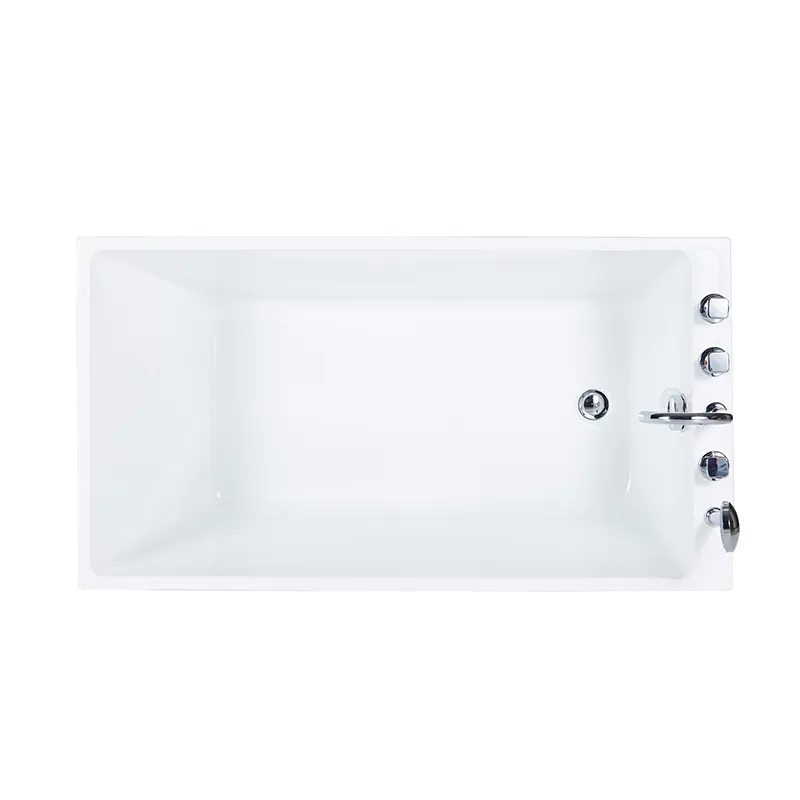
Changing Demands for Indoor Bathtubs
In the past, consumer demand for bathtubs centered primarily on the basic function of "providing a place to bathe." Consequently, porcelain tubs—characterized by their hardness and substantial weight—held a dominant position in the market for a long time. However, today's consumers place a greater emphasis on residential comfort; their requirements for a bathtub have evolved beyond mere basic hygiene to encompass a relaxing experience, spatial harmony, and ease of maintenance.
This is particularly relevant in urban settings, where residential living spaces are often limited in size. Factors such as ease of transport, suitability for installation in compact spaces, and ease of cleaning have therefore become critical criteria for many consumers when making a purchase decision.
Against this backdrop, acrylic soaking bathtubs have gradually emerged as a central focus of the market. Compared to traditional porcelain tubs, acrylic soaking tubs are not only significantly lighter but also offer greater design flexibility, allowing them to integrate seamlessly with a wider variety of floor plans and interior design styles.
Currently, many households prioritize acrylic soaking bathtubs during their renovation projects—a preference driven by the fact that these tubs are better aligned with the demands of modern residential living.
Why Are Acrylic Soaking Tubs Becoming Increasingly Popular?
1. Lighter Weight, Easier Installation
One of the defining characteristics of porcelain tubs is their sheer weight. Traditional porcelain tubs typically feature a structure comprising a steel base coated in enamel; their substantial inherent weight often necessitates the coordinated effort of multiple people during the handling and installation processes.
In the context of high-rise residential buildings, this excessive weight not only complicates the logistics of transportation but also imposes stricter structural load-bearing requirements on the building's floor slabs. Acrylic soaking tubs, however, are a completely different story.
Acrylic material itself possesses a relatively low density; consequently, its overall weight is significantly lighter than that of a porcelain bathtub. Even large-sized acrylic soaking bathtubs are much easier to handle during the transportation and installation processes.
For the average household, this translates to:
•Shorter installation times;
•Easier handling and maneuvering;
•Greater convenience for future replacements;
•Reduced structural load and pressure on the flooring.
The advantages of acrylic soaking bathtubs become particularly evident during home renovation projects involving older properties. Many older homes feature bathrooms with limited space; opting for a porcelain bathtub in such settings often leads to logistical hurdles—such as difficulty fitting the tub through doorways or inconvenient transport—whereas an acrylic soaking bathtub offers a much smoother solution to these challenges.
2. Superior Heat Retention for a More Comfortable Soaking Experience
For any soaking bathtub, heat retention capability is a critical factor.
Many consumers discover during actual use that the hot water in a porcelain bathtub cools down quite rapidly, requiring them to constantly add more hot water if they wish to soak for any extended period.
This occurs because porcelain is a highly thermally conductive material, allowing heat to dissipate easily.
Acrylic soaking bathtubs, on the other hand, demonstrate superior performance in terms of heat retention.
Acrylic is inherently a material with strong insulating properties, capable of effectively slowing down heat loss. Consequently, given the same initial water temperature, an acrylic soaking tub can maintain a warm, comfortable temperature for a significantly longer duration.
For those who enjoy taking long, leisurely baths, this difference is immediately noticeable.
This enhanced comfort is particularly appreciated during the winter months. After their very first experience, many users distinctly notice that the water temperature drops much more slowly, resulting in a more consistent and stable soaking experience overall.
Furthermore, the surface of acrylic feels relatively gentle to the touch—unlike porcelain, it does not feel cold or icy. This ensures a more pleasant and comfortable physical sensation the moment one steps into the tub.
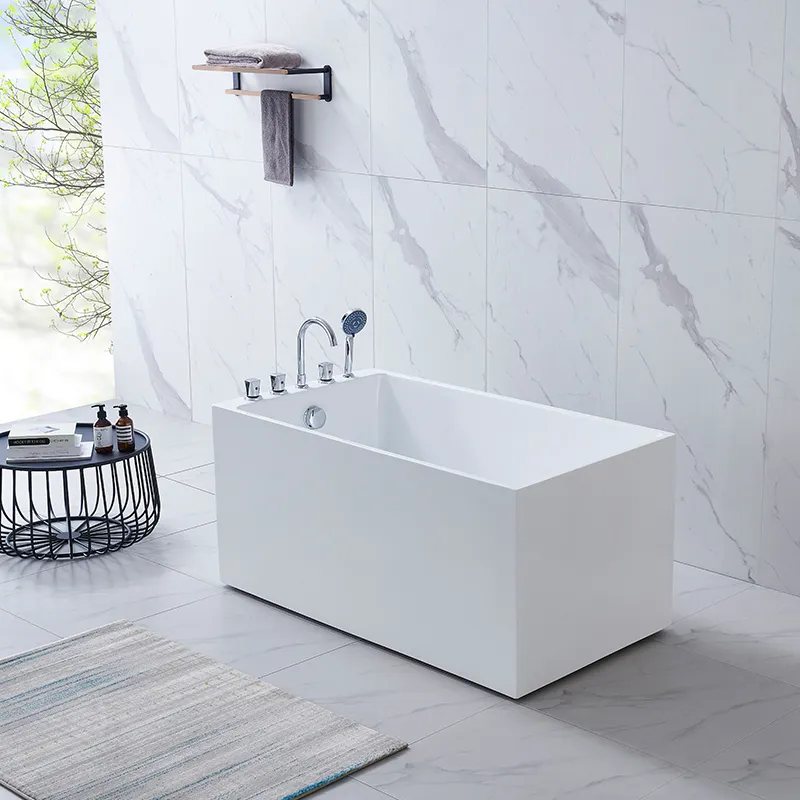
What are the aesthetic advantages of acrylic soaking tubs?
Acrylic soaking tubs come in a vast array of shapes and styles, making them better suited to the demands of modern interior design. Contemporary home décor increasingly emphasizes overall harmony and cohesion, and bathroom design, in particular, now places a strong premium on visual unity.
Due to the inherent limitations of their manufacturing processes, porcelain bathtubs typically feature rigid, fixed shapes—most are based on traditional rectangular structures—leaving limited room for creative innovation.
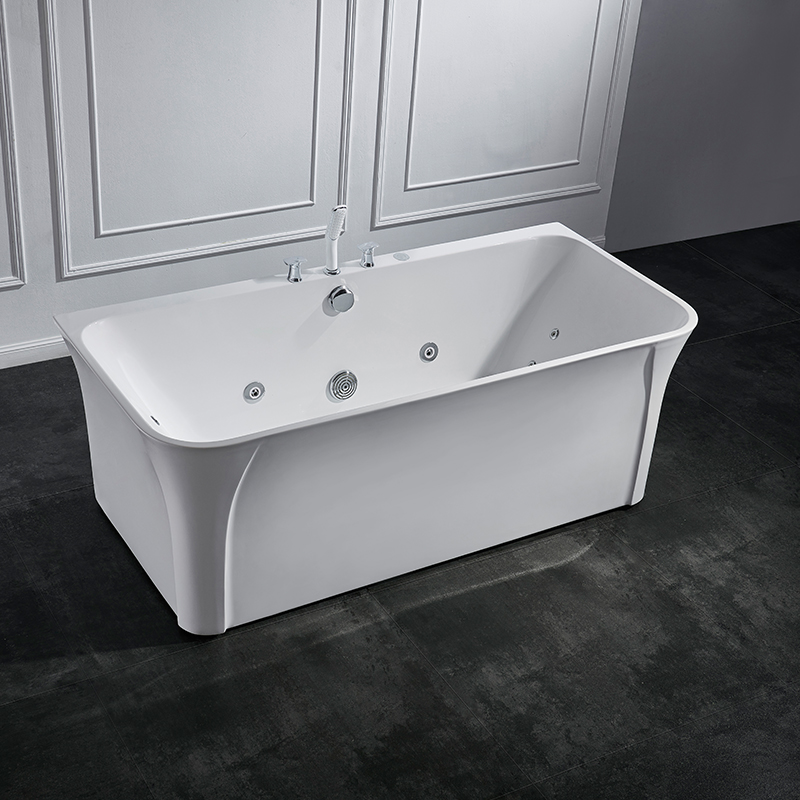
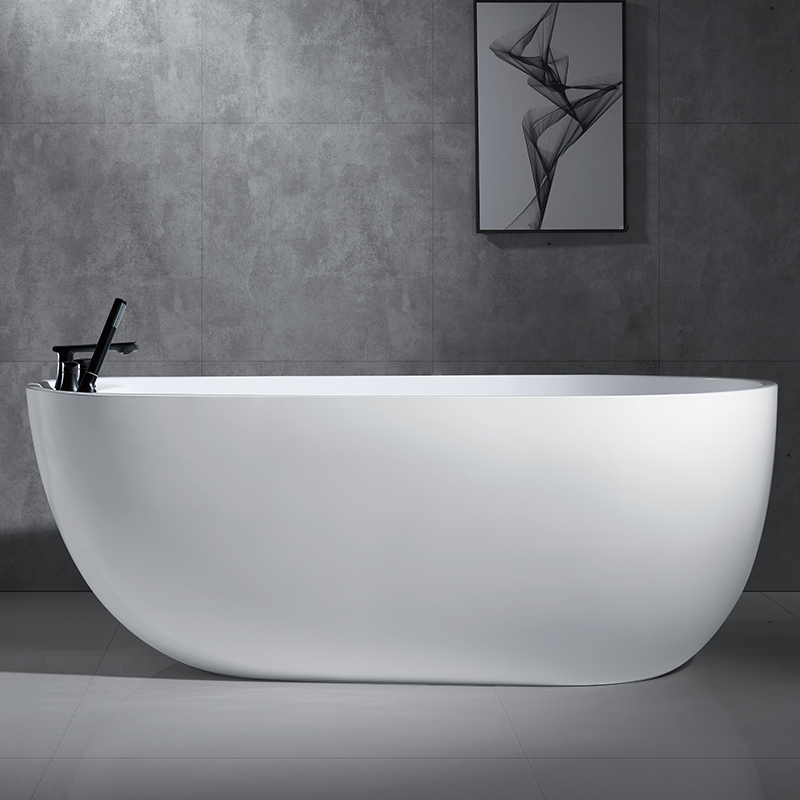
Acrylic soaking tubs, however, are a different story entirely. Due to the superior malleability of acrylic material, it is possible to create a much wider variety of shapes and configurations, including:
•Oval;
•Round;
•Freestanding;
•Built-in (Drop-in);
•Corner units;
•Deep-soaking designs;
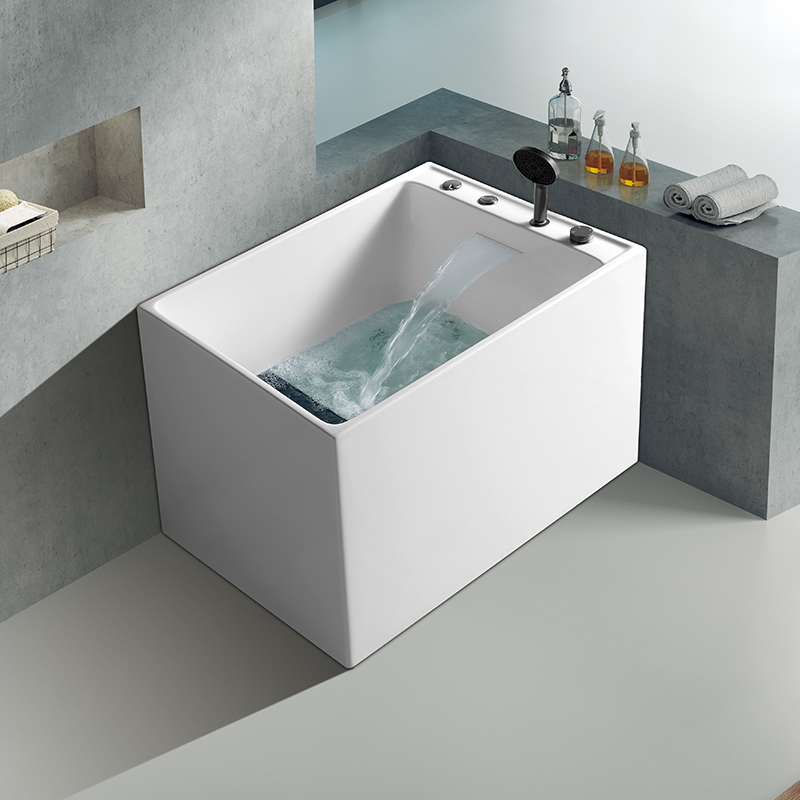
•Structures specifically designed for small spaces.
This inherent flexibility allows acrylic soaking bathtubs to adapt seamlessly to diverse interior design styles.
Whether the aesthetic is modern minimalist, "light luxury," soft contemporary (the "creamy" style), or Japanese-inspired, there is an acrylic soaking bathtub design to match.
For young consumers, the bathroom is not merely a functional zone but a vital component of their home's overall aesthetic. Consequently, visual design has emerged as one of the key factors influencing their purchasing decisions.
And this—precisely—is where the acrylic soaking tub demonstrates one of its most significant advantages.
Greater Size Selection: Acrylic Tubs Fit Even in Small Spaces
Many consumers forgo installing a bathtub—not because they dislike soaking, but because they worry their bathroom lacks sufficient floor space. Traditional porcelain tubs offer a relatively limited range of sizes; particularly in small-apartment settings, it is often difficult to install one without compromising spatial efficiency.
Acrylic soaking tubs, conversely, offer a much more extensive array of size options. From compact single-person tubs to deep-barrel designs and space-saving corner units, acrylic tubs can meet the diverse needs of various households. This flexibility proves especially critical given the current trend of urban housing, where living spaces are often limited in size.
Indeed, many designers now prefer to recommend acrylic soaking tubs for small-bathroom renovations, as they enable a more efficient and functional layout within confined spaces.
Ease of Use and Maintenance: Acrylic Tubs Offer Peace of Mind
Acrylic is easier to repair, resulting in lower long-term maintenance costs. While porcelain tubs are undeniably durable, they suffer from a distinct drawback: once the surface glaze is damaged, repairs are notoriously difficult. Should the tub sustain a chip, crack, or loss of glaze, the damage not only mars its aesthetic appeal but can also potentially worsen over time.
In contrast, repairing an acrylic soaking tub is a much simpler process.
Minor scratches can typically be buffed out, and even more significant damage can often be addressed via localized spot repairs, eliminating the need for a complete replacement of the entire tub.
From a long-term perspective, this translates to:
•Lower repair costs;
•Faster repair times;
•Greater longevity and reliability;
•Easier preservation of the tub's original appearance.
Particularly in a home environment, everyday bumps and knocks are inevitable. In this regard, acrylic soaking bathtubs are clearly better suited for long-term use in typical households.
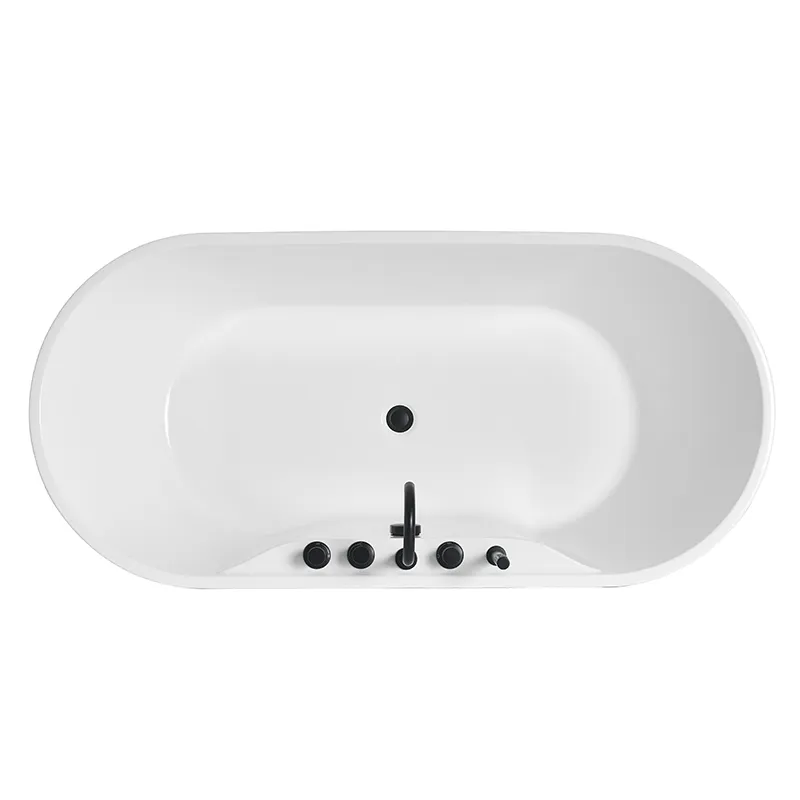
Are Acrylic Soaking Tubs Easier to Clean?
Yes, acrylic soaking tubs are indeed more user-friendly when it comes to daily cleaning.
Modern consumers are highly concerned about the difficulty of home cleaning. While porcelain bathtubs feature a smooth surface, they tend to develop limescale buildup as they age; furthermore, if the surface becomes damaged, it becomes much more prone to trapping dirt and grime.
Acrylic surfaces are relatively smooth and even, meaning that ordinary stains can typically be removed using just a neutral detergent. Additionally, because acrylic soaking tubs often feature more rounded contours, cleaning the corners and edges is significantly easier.
For busy households, this ease of maintenance directly impacts the overall long-term user experience.
The Advantages of Porcelain Bathtubs Still Remain
Although acrylic soaking bathtubs hold distinct advantages in today's market, porcelain bathtubs have not entirely lost their competitive edge.
The defining characteristic of a porcelain bathtub is its strong sense of stability. Due to its substantial weight, it remains firmly in place once installed, conveying a sense of solidity and durability.
Furthermore, some consumers prefer the traditional luster of porcelain, feeling that it embodies a more classic bathroom aesthetic. In certain vintage-style interior designs, porcelain bathtubs continue to offer a unique visual appeal.
However, when viewed from the perspective of the overall living experience, the limitations of porcelain bathtubs are becoming increasingly apparent:
•Heavy weight;
•Complex installation;
•Average heat retention;
•Limited range of styles;
•Inconvenient maintenance;
•Higher spatial requirements.
Consequently, while porcelain bathtubs still retain a presence in the market, their popularity in modern home renovations is gradually declining.
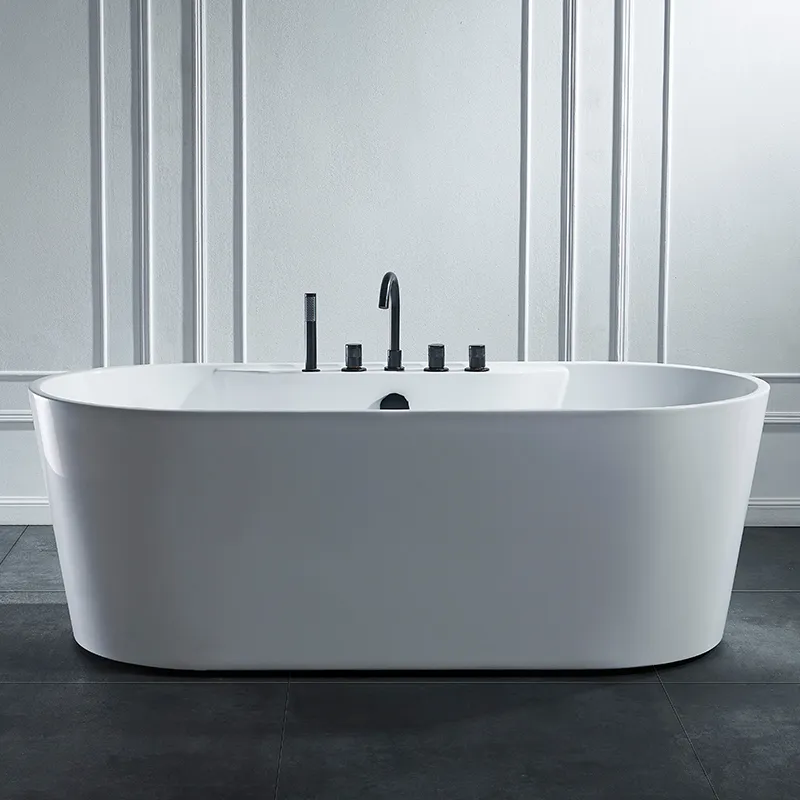
Do Acrylic Soaking Tubs Better Meet the Needs of Modern Families?
Today's consumers no longer base their choices for bathroom fixtures solely on mere functionality—the ability to simply "get the job done." Instead, they place greater emphasis on:
•Comfort;
•Spatial compatibility;
•Visual design;
•Ease of use;
•Long-term maintenance;
•Overall home aesthetic harmony.
Acrylic soaking bathtubs happen to possess distinct advantages in precisely these areas.
Acrylic soaking tubs are particularly popular—and well-suited—for the following types of households:
1. Households in Small Living Spaces
Those with limited space require more flexible sizing options.
2. Young Home Renovators
They place a greater emphasis on aesthetic design and quality of life.
3. Residents of High-Rise Buildings
They seek to minimize the difficulties associated with transportation and installation.
4. Frequent Soakers
They prioritize heat retention and a comfortable bathing experience.
5. Those Who Value Ease of Maintenance
They desire a bathtub that is effortless to clean and maintain over time.
Consequently, judging by current market trends and consumer feedback, acrylic soaking bathtubs have emerged as the preferred choice for many households.
